
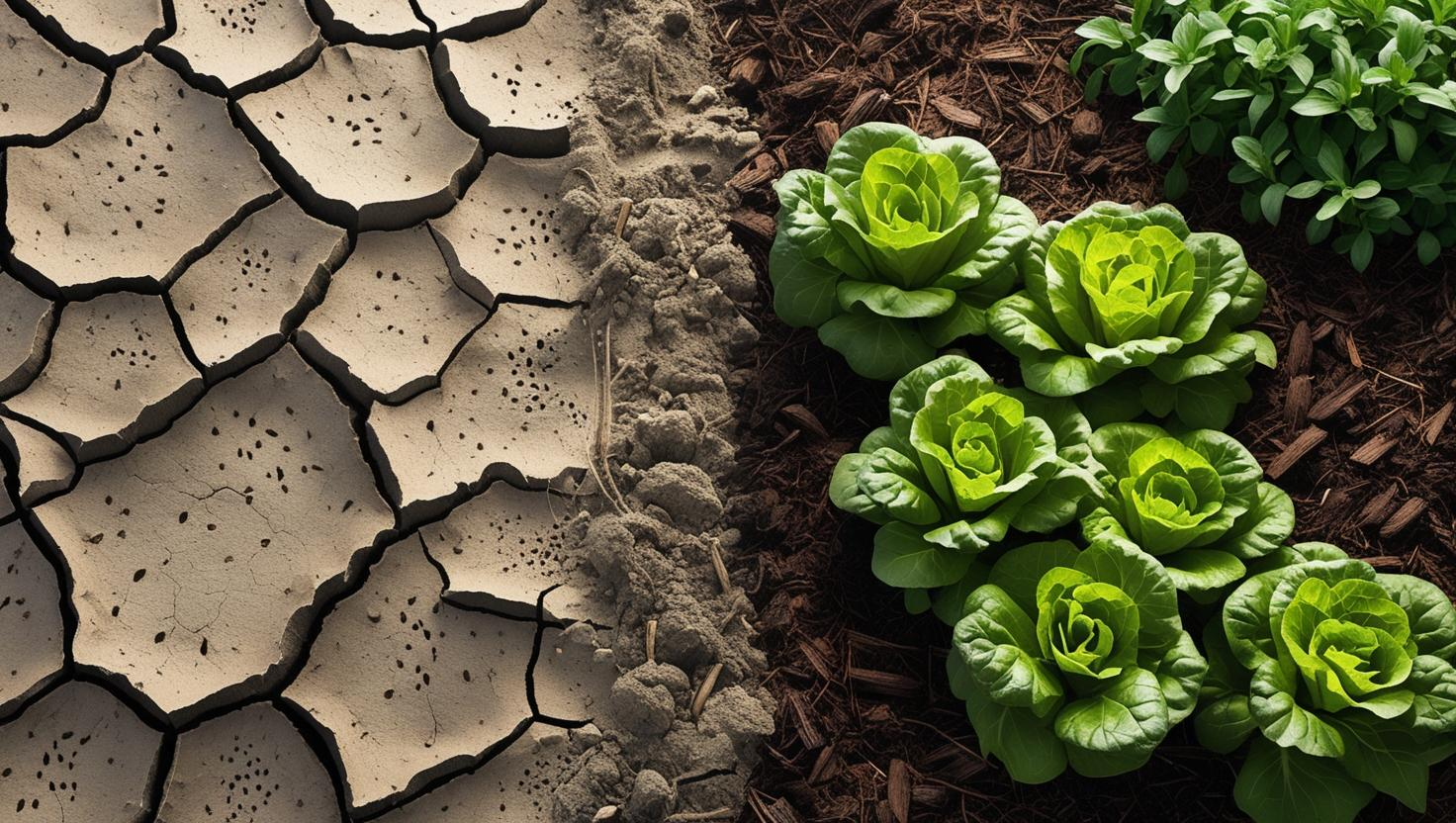
Still Trying to Grow a Garden in the Sahara? Same.
Here’s how to survive the sweat, the soil, and the sticker shock of high desert gardening—with your sanity (and savings account) intact.
You imagined wild blooms and juicy tomatoes. Instead? Cracked soil, ghosted seeds, and a water bill that made you gasp out loud. Desert gardening is not for the faint of heart—but it’s not impossible either. You just need a smarter strategy (and maybe a shovel that doesn’t snap in half).
This post is your short list of hard-earned lessons—five practical, budget-friendly ways to make desert gardening actually work. No gimmicks. No glossy magazine nonsense. Just what works, what doesn’t, and how to keep your cool while coaxing life from the dust.
1. Pick Plants That Can Handle the Heat
If It Needs Pampering, It’s a No.
The fastest way to frustration? Choosing plants that act like they live in Oregon. In the high desert, your plants need grit. That means picking varieties that can thrive on a tight water budget, handle full sun without throwing a fit, and keep blooming through triple digits.
Native and drought-tolerant plants are your low-maintenance MVPs. Look for tough species like Mexican Bird of Paradise, desert marigold, lantana, yarrow, or penstemon. These plants don’t just survive—they perform, even when the heat cranks up and your hose stays off.
Bonus: Fewer replacements, less watering, and less guilt when you forget them for a few days. In the desert, survival of the fittest isn’t just a theory—it’s your planting strategy.
2. Water Less, Smarter, and With a Plan
Your Sprinkler Is Not a Strategy.
In the desert, water isn’t just precious—it’s tactical. Dousing your garden with a hose every afternoon won’t cut it. Not only is it inefficient, it can actually do more harm than good by encouraging shallow root systems and water loss through evaporation.
The solution? Water early, water deep, and water with intention. Aim for early morning so your plants can absorb moisture before the heat sets in. I like to water around 3:00AM. Use drip irrigation if you can—it targets the roots without soaking everything else. Even a DIY olla system (clay pots buried near plants) can deliver slow, steady hydration where it matters most.
Most importantly, stop watering like every day is a fire drill. Create a schedule based on your soil, weather, and plant needs. In the desert, it’s not about watering more—it’s about watering right.
3. Mulch Like Your Life Depends On It
This Is Your Garden’s SPF.
Exposed desert soil is a disaster waiting to happen. Without protection, it bakes in the sun, loses moisture faster than you can say “drought,” and turns into a hostile environment for roots.
That’s where mulch comes in—and it’s not optional. Mulch acts like sunscreen for your soil. It keeps the ground cool, locks in moisture, and suppresses weeds before they ever see daylight.
The good news? You don’t need fancy bark chips to get the job done. Straw, shredded leaves, pine needles, or even a thick layer of cardboard will do. Lay it on thick—2 to 4 inches—and keep it away from the plant stems to prevent rot. Your plants (and your water bill) will thank you.
4. Fix Your Dirt Without Draining Your Wallet
It’s Not Bad Soil. It’s Just… Desert Soil.
If your soil looks and feels like dry cake mix, you’re not alone. Most high desert gardeners start with alkaline, sandy, nutrient-poor dirt. But don’t let it scare you off—or trick you into spending a fortune on bagged soil labeled “premium.”
The truth? You can fix desert soil over time with cheap, consistent inputs. Start with compost—homemade if possible. Add in aged manure, used coffee grounds, or shredded leaves to increase organic matter. Sprinkle in gypsum if your soil is high in clay or salt.
Forget the $20-per-bag quick fixes. Building healthy soil in the desert is a marathon, not a sprint. And your bank account doesn’t have to suffer for your garden to thrive.
5. Shrink Your Space. Expand Your Sanity.
Smaller Garden, Smaller Headaches.
If your first instinct is to plant an entire backyard full of veggies, pause. Ambition is great—until July hits and you’re dragging hoses around like it’s a full-time job. In the desert, less really is more.
Start small. A 4×4 raised bed or a handful of well-placed containers can produce surprising results with far less stress. You’ll save on water, avoid overwhelm, and actually have time to enjoy your garden instead of resenting it.
Gardening in the desert is about sustainability—not just for the land, but for you. Give yourself permission to scale back, slow down, and grow smarter. It’s not a race, it’s a rhythm.
Wrap-Up: You Can Do This
Start Smart. Grow Resilient.
You don’t need limitless time, money, or perfect conditions to grow in the desert. You just need to work with what the climate gives you: sun, extremes, and a short list of plants that love a challenge. Choose tough growers, water with intention, protect your soil, build it slowly, and keep your garden small enough to enjoy. That’s the sanity-saving path.
The goal isn’t a magazine-perfect landscape. It’s a garden that fits your life, survives your summers, and gives you something living to look forward to when the heat breaks. If you’ve made it this far, you’re already ahead of most people who gave up at the first crispy tomato plant.
Ready to take the next step? I’ve got resources to help you plan, plant, and stay on budget.
Next Steps
- Download the Free Desert Garden Starter Checklist
- Join the FireBloom Gardens Newsletter for Monthly Zone 8b Planting Reminders
- Get the High Desert Garden Planner (Budget + Planting Templates)